


Our Top Tips for Baking Perfect Sourdough Bread at Home
Ready to bake your first sourdough bread at home? Now that you have armed yourself with the Sourdough Starter Kit, it's time to get baking!
Here are our best and easiest tips for baking your own perfect sourdough bread at home.

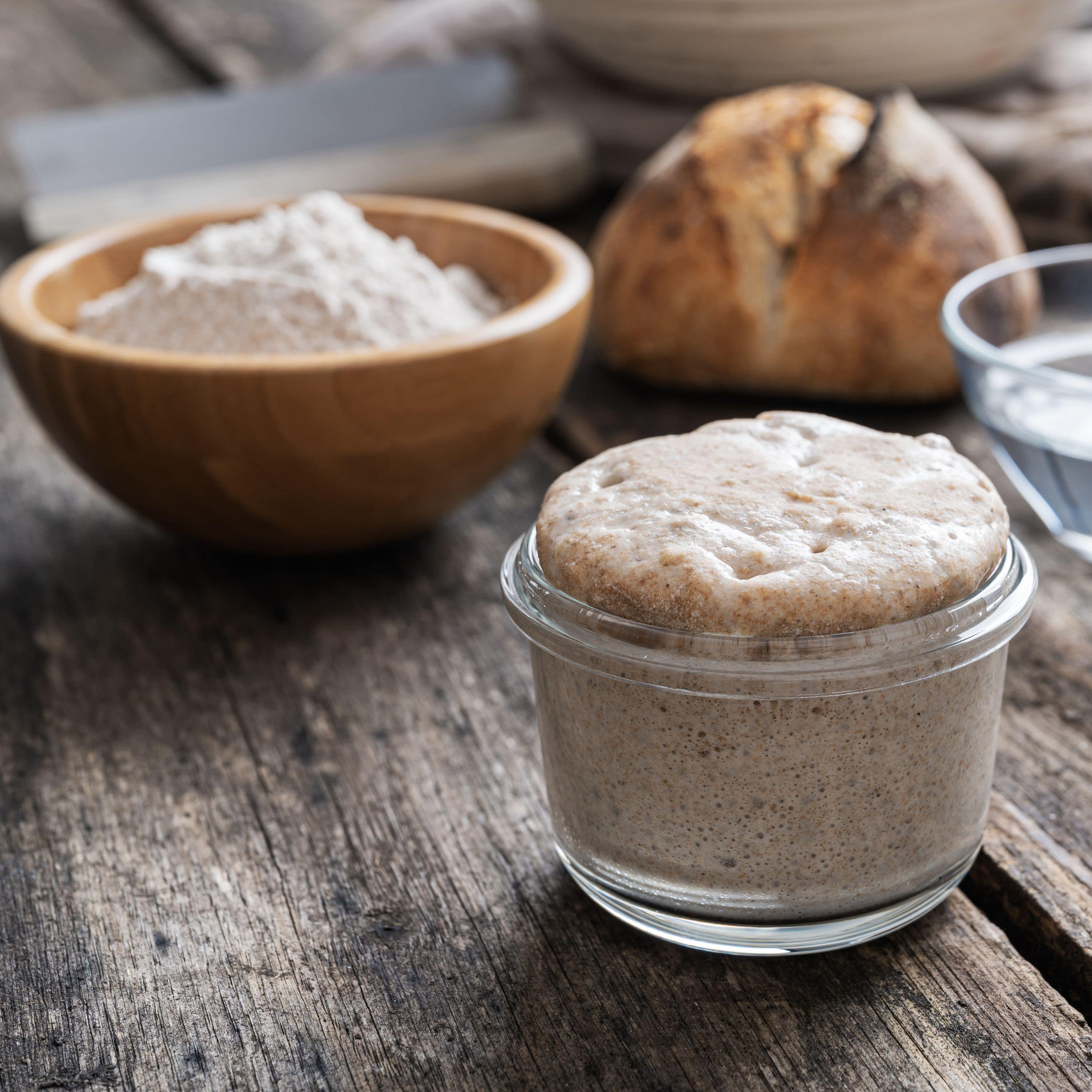

Getting the timing right
Whether you’re a novice or an experienced baker, baking sourdough at home involves some patience and some planning. Our Sourdough Starter kits significantly cut down the time and hassles involved in preparing the starter and testing it, but you will still need to account for the time needed for the dough to prove.
Depending on the temperature of your space, this can take up to twelve hours with both the first and second rise combined. We suggest planning in the required stages around your daily routine. If you plan to bake in the evening, you can mix the dough early in the morning. If you’re an early riser and want to bake first thing in the morning, you can prepare the dough the previous evening and store the dough in your refrigerator overnight.
Baking
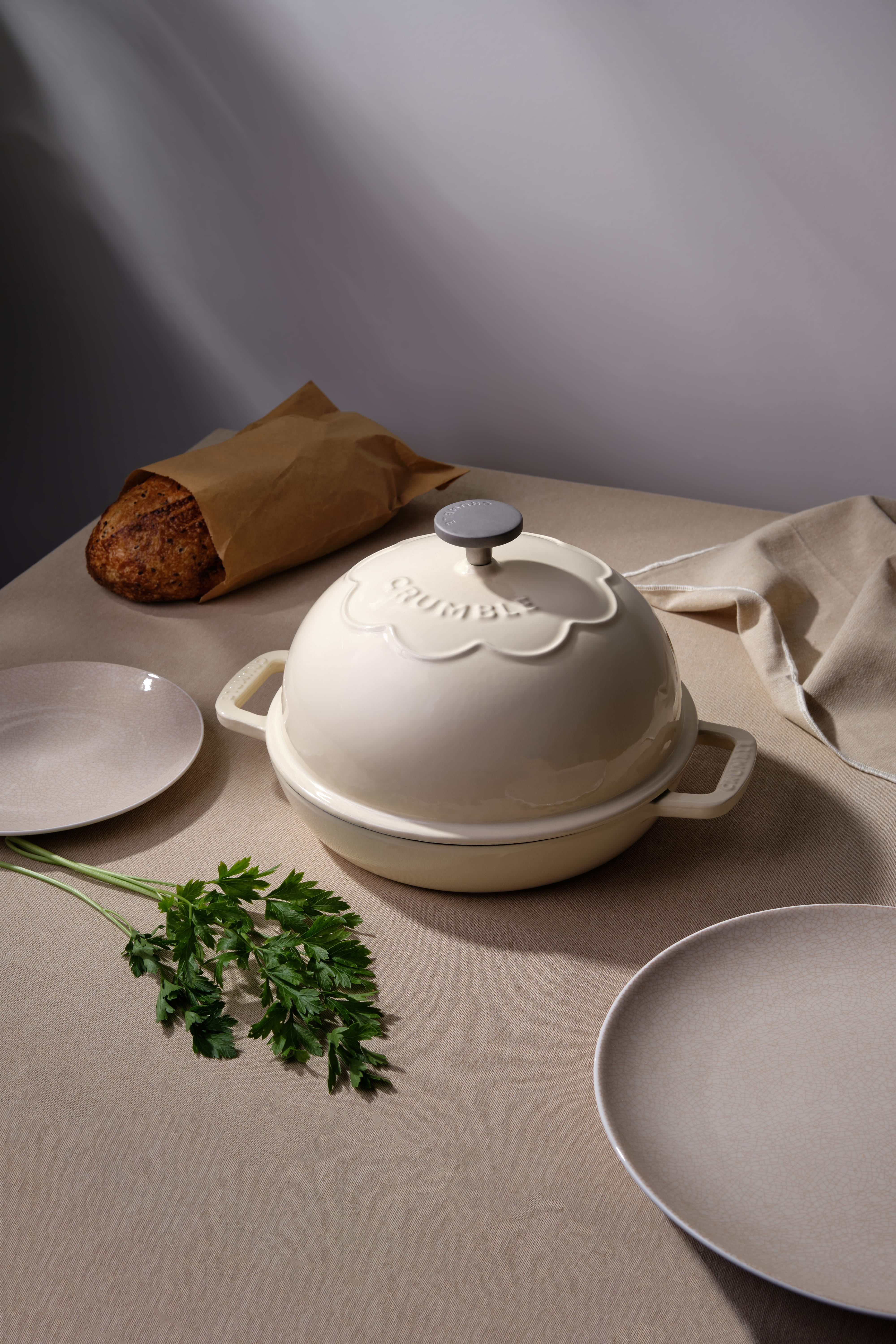
Once your loaf has been proving for hours it will be ready to bake! The first step in baking is to preheat your oven – placing your dough in a very hot oven works wonders, so preheating is important.
Place your dough in a cast iron pot, if you have one, (make sure you preheat this for at least 30minutes in a hot oven) and score it using the bread lame – you can also lay the loaf in your desired shape on a baking tray or tin. If you like seeded loaves for a bit of extra flavour, lightly spray a little water on the top of the loaf before baking and press the provided seed mix onto the top.
Remember to lather the baking surface with oil or flour to ensure the loaf doesn’t stick. Your loaf is ready when starts to come away from the sides of your baking dish. If in doubt, use the trusty knock test - if you knock on the top and it sounds hollow, you’re good to go! Transfer the sourdough to the wire rack and let the bread cool completely.

Extra tricks
Once you’ve given your first loaf a crack, you can start to consider stepping up your game by adding additional or new sourdough baking techniques for:
Hydration is all about getting the flour to water ratio right in the dough. Using high-hydration doughs (or wet doughs with a higher amount of water) can help you get perfect sourdough. While kneading a wet dough can be hard, you will be pleased with the results. Our baking experts recommend increasing hydration in the dough anywhere from 70 to 80 per cent to get an open crumb. |
|
One of the top tips in sourdough baking is about folding and stretching your dough. Bakers use the technique of stretching and folding to strengthen the gluten in the flour and incorporate air without kneading. When done right, folding and stretching will increase the rise of the sourdough. |
We'd love to hear from you
If you’re trying these tips at home, let us know how you go! As always, feel free to tag us on social media so we can see your creations